Study smart. Pass the NCLEX.
Study guides, pharmacology cheat sheets, lab values, and test-taking strategies for the NCLEX-RN and NCLEX-PN.

What It Means to Be a Nurse
Most of a nurse's work happens in conversations — with patients, families, doctors, and colleagues. Here is why being understood, listening, and speaking up are part of safe patient care.
ExamReady Editorial Team
3 min read · Sep 2, 2026
Daily Dose of Motivation · Thursday, October 8
“It always seems impossible until it's done.”
— Nelson Mandela

Six Terrible Ways to Prepare for the NCLEX (Please Do Not Do This)
Why sleep deprivation, marathon study sessions, passive rereading, avoiding weak topics, neglecting health, and isolation can undermine NCLEX prep.

Who Would You Trust With a Patient: Someone Who Knows Every Answer—or Someone Who Can Make Decisions?
Why nursing requires more than recall—and how priorities, uncertainty, changing patient data, and clinical judgment connect NCLEX preparation to practice.

Eight Common Mistakes in NCLEX Preparation
Avoid eight common NCLEX prep mistakes involving passive study, skipped rationales, weak topics, answer changes, inconsistency, pacing, and setbacks.

The Science of Studying: Why Some Methods Work and Others Only Feel Effective
Learn how spacing, retrieval practice, interleaving, timely feedback, metacognition, realistic practice, and sleep can improve NCLEX preparation.

Failing the NCLEX Is Not the End
A compassionate, practical guide to separating one NCLEX result from your identity, reviewing the evidence, and preparing for a thoughtful next attempt.
How the NCLEX Works—and What It Really Tests
Understand NCLEX CAT, the 85–150 question range, passing decisions, NGN case studies, clinical judgment, and what the exam actually measures.

NCLEX Myths Many Candidates Still Believe
Separate common NCLEX myths from facts about the 85-question minimum, CAT, item difficulty, memorization, and unsuccessful attempts.
NCLEX Question Types Explained: What Each Format Asks You to Do
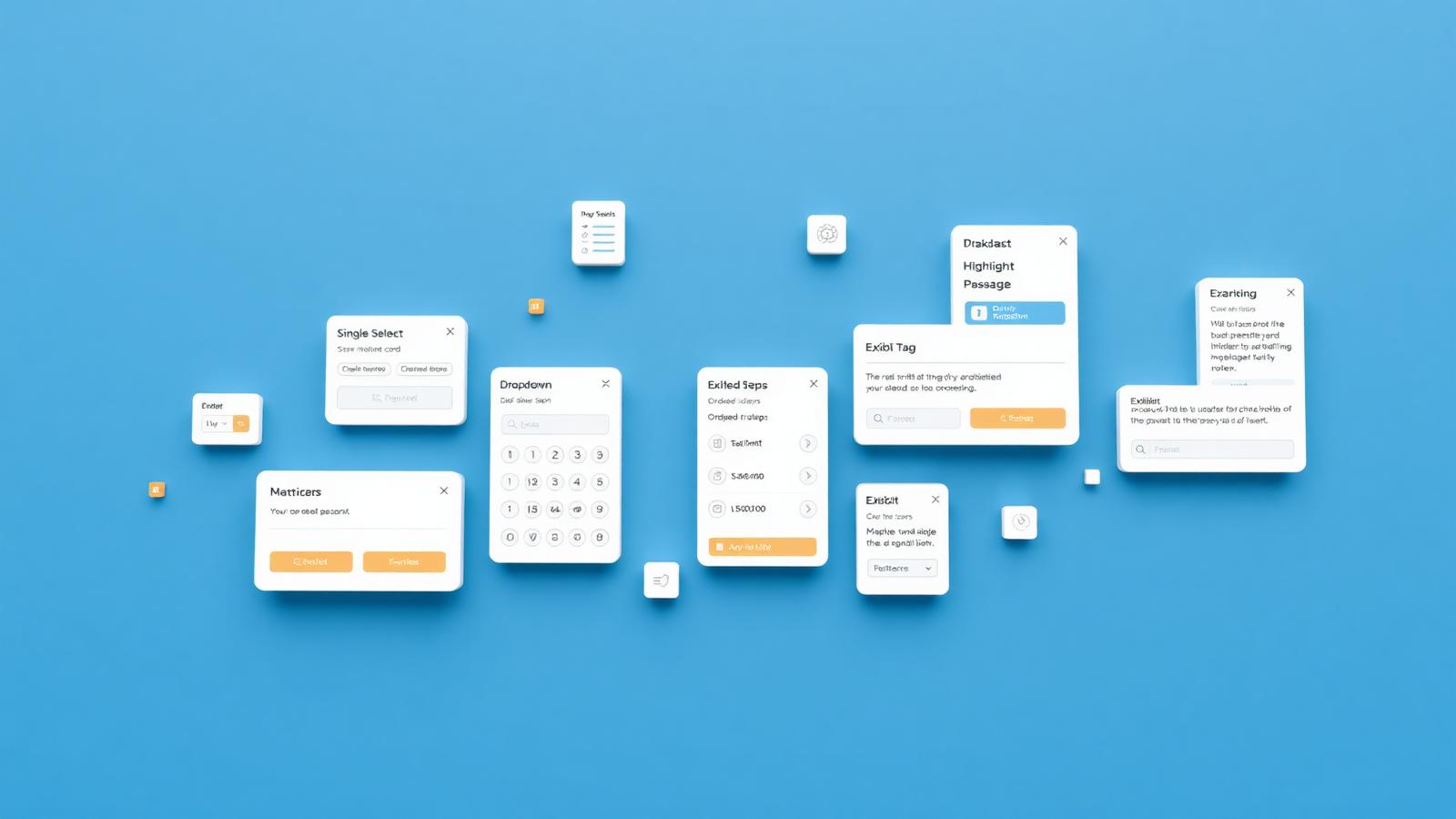
Learn how NCLEX question formats work, including multiple response, highlight, matrix, cloze, bow-tie, ordered response, calculations, and exhibits.

NCLEX Study Mini-Guides: Small Principles That Actually Help
Use short daily sessions, a practical four-week NCLEX review plan, and cheat sheets as retrieval supports rather than replacements for full study.

What Happens on NCLEX Test Day: From Check-In to Results
Know what happens on NCLEX test day: required ID, arrival time, check-in, security, breaks, testing rules, technical issues, and results.

Why More NCLEX Study Time Does Not Always Mean Better Preparation
Studying longer is not always studying better. Learn seven common NCLEX preparation mistakes and how to practice with more purpose.

Stop Looking for Motivation. Build a System That Works Without It
Motivation can help you begin NCLEX prep, but discipline, habits, and a realistic routine are what help you keep studying.

NCLEX Pharmacology Essentials: Drug Classes and Safe Reasoning
Study NCLEX pharmacology by drug class, expected effect, adverse-effect patterns, monitoring data and safe medication reasoning for RN and PN exams.

NCLEX Study Guide for 2026: A Practical Preparation Roadmap
Build a realistic 2026 NCLEX study plan using the current 85–150 item format, official Test Plans, clinical judgment practice and focused review.

NCLEX Test-Taking Strategies for Safer Clinical Decisions
Use a repeatable NCLEX question strategy to identify the task, evaluate cues, prioritize safely, manage pacing, and learn from reasoning errors.

NCLEX Clinical Judgment Model: Six NCJMM Skills Explained
Learn the six NCJMM clinical judgment functions—from recognizing cues to evaluating outcomes—and use them to review NCLEX case-study reasoning.

NCLEX Lab Values Cheat Sheet: Ranges, Trends and Context
Study common NCLEX lab-value categories while accounting for units, trends, clinical context, and the reference range supplied in each question.

How to Stop Being Afraid of the NCLEX
Practical ways to manage NCLEX anxiety, reduce uncertainty, respond to panic, focus on one question, and prepare a calm test-day plan.
Frequently Asked Questions
Quick answers about the NCLEX exam, scoring, and how to prepare.
The NCLEX (National Council Licensure Examination) is the standardized licensure exam every candidate must pass to practice as a nurse in the United States and Canada. It is administered by the NCSBN as a computer adaptive test (CAT), meaning the difficulty of each question adjusts to your performance.
Read the complete NCLEX study guideThe NCLEX-RN is for candidates seeking registered nurse licensure and tests independent clinical decision-making, delegation, and care planning. The NCLEX-PN is for practical/vocational nurses and focuses more on data collection and providing care under supervision.
Both the NCLEX-RN and NCLEX-PN contain 85 to 150 items and allow up to five hours under the 2026 Test Plans. A minimum-length exam includes 15 unscored pretest items. The exam length by itself does not indicate whether a candidate passed or failed.
There is no percentage score. The NCLEX is pass/fail and measured against a passing standard on a logit scale. You pass when the computer determines with 95% confidence that your ability is above that standard — the number of questions you answer says nothing about whether you passed.
NGN added case studies and new item types (bow-tie, trend, matrix, highlight) built around the NCSBN Clinical Judgment Measurement Model. Instead of recalling facts, you recognize cues, analyze them, prioritize hypotheses, take action, and evaluate outcomes.
How the NGN clinical judgment model worksMost candidates need four to eight weeks of focused preparation after graduation, studying two to four hours a day. What matters far more than total hours is doing large volumes of practice questions and reading every rationale — including for the answers you got right.
Build a repeatable routine: sleep the night before, arrive early, use box breathing between blocks of questions, and reset with a grounding technique whenever you feel your focus slipping. Anxiety is manageable when you have practiced the response, not just the content.
NCLEX anxiety management techniquesYes. You may retest after a 45-day waiting period, up to eight times per year, subject to your board of nursing's rules. You will also receive a Candidate Performance Report showing which content areas were below standard — use it to target your next study plan.
Source: NCLEX Test Plans
Never Miss a Study Tip
Get practical NCLEX study guidance and new article updates.
High-yield rationales, cheat sheets, and test-taking strategies are published here as they are written.
Browse all articles